Famous Weird

Articles with relevant topics, this blog site is covering main topics of the world.

Hot

Friday, June 14, 2024

Understanding the #IncomeTax Trend and Tax Charges in India

June 14, 2024 0

Understanding the #IncomeTax Trend and Tax Charges in India


In the wake of Finance Minister Nirmala Sitharaman’s Budget 2024 speech, the hashtag #IncomeTax took over social media, sparking a meme fest among netizens. Despite no changes in income tax rates, the public sentiment was palpable through humorous memes featuring characters like ‘Jethalal’ from the popular TV show 'Taarak Mehta Ka Ooltah Chashmah’1. This reaction underscores the keen interest and impact of taxation policies on the everyday lives of Indians.


The Different Types of Income Tax Charges in India

India’s income tax system is structured around five primary heads of income, which are:


Income from Salary: This includes wages, pension, allowances, and other benefits received from employment.

Income from House Property: Earnings from property rent fall under this category, subject to certain deductions.

Income from Profits and Gains from Business or Profession: This head covers the income generated from a business or profession.

Income from Capital Gains: Any profit from the sale of capital assets is taxed under this head.

Income from Other Sources: This includes income from savings accounts, fixed deposits, lottery winnings, etc.

The tax slabs in India are designed to be progressive, with different rates applied based on the individual’s income bracket. For the financial year 2023-24, the tax slabs under the new regime are as follows:


Up to ₹2,50,000: Nil

₹2,50,001 - ₹5,00,000: 5%

₹5,00,001 - ₹7,50,000: 10%

₹7,50,001 - ₹10,00,000: 15%

₹10,00,001 - ₹12,50,000: 20%

₹12,50,001 - ₹15,00,000: 25%

Above ₹15,00,000: 30%

Additionally, a tax rebate of up to ₹25,000 is available if the total income does not exceed ₹7,00,000 under the new regime.


The Rising Trend in Tax Filings

A positive trend has been observed in the migration to higher ranges of gross total income among Indian taxpayers. Reports indicate a 295% increase in the number of returns filed by individuals earning between ₹5 lakh and ₹10 lakh from the assessment years 2013-14 to 2021-224. This shift is indicative of India’s changing fiscal landscape and the growing economic capabilities of its citizens.


Conclusion

The recent #IncomeTax trend reflects the public’s engagement with fiscal policies and their implications. As India continues to evolve economically, the tax system adapts to accommodate this growth, ensuring a fair distribution of the tax burden across different income groups. Understanding the various types of income tax charges and staying informed about the latest tax slabs is crucial for every taxpayer in the country.

Read More

Becoming Stress-Free: A Journey Towards a Balanced Life

June 14, 2024 0

Becoming Stress-Free: A Journey Towards a Balanced Life


In the hustle and bustle of modern life, stress has become a constant companion for many. It’s a common challenge that, if left unchecked, can have significant impacts on our health, happiness, and overall well-being. However, achieving a stress-free life is possible through a combination of mindful practices, lifestyle changes, and a positive outlook.


Understanding Stress


Before we can tackle stress, it’s important to understand what it is. Stress is the body’s reaction to any change that requires an adjustment or response. It can be physical, mental, or emotional and is often triggered by events that make us feel frustrated or nervous.


Mindfulness and Meditation


One of the most effective ways to combat stress is through mindfulness and meditation. These practices help us stay present and aware, allowing us to observe our thoughts and feelings without judgment. Regular meditation can lower cortisol levels, the hormone associated with stress, and improve our mood.


Healthy Lifestyle Choices


Our lifestyle choices play a crucial role in managing stress. This includes:


Regular Exercise: Physical activity releases endorphins, chemicals in the brain that act as natural painkillers and mood elevators.


Balanced Diet: Eating a diet rich in fruits, vegetables, lean proteins, and whole grains can provide the necessary nutrients to cope with stress.


Adequate Sleep: Ensuring 7-9 hours of quality sleep each night can help reduce stress and improve cognitive function.


Time Management


Effective time management is key to reducing stress. Prioritizing tasks, setting realistic goals, and taking breaks can prevent work overload and the stress that comes with it.


Social Support 


Having a strong social network provides emotional support and helps in diffusing stress. Talking to friends and family about our concerns can provide a different perspective and reduce our anxiety.


Hobbies and Interests


Engaging in hobbies and activities that bring joy can be a great stress reliever. Whether it’s reading, painting, or gardening, these activities provide a break from the routine and give us a sense of accomplishment.


Professional Help


Sometimes, stress can be overwhelming, and it’s okay to seek professional help. Therapists and counselors can provide strategies to manage stress effectively.


Conclusion


Living a stress-free life is an ongoing process that requires dedication and self-awareness. By incorporating these strategies into our daily lives, we can create a balanced and fulfilling existence, free from the grips of stress. Remember, the journey to a stress-free life is not about eliminating stress completely but learning to manage it in a healthy way.

Read More

Wednesday, June 5, 2024

Electric vs. Hybrid vs. Internal Combustion Engine Cars: Navigating the Road to Sustainability

June 05, 2024 0

Electric vs. Hybrid vs. Internal Combustion Engine Cars: Navigating the Road to Sustainability


In the quest for sustainable transportation, consumers are faced with a choice between electric vehicles (EVs), hybrid vehicles (HEVs), and traditional internal combustion engine (ICE) vehicles. Each option presents its own set of advantages and challenges, shaping the future of personal mobility.


Internal Combustion Engine (ICE) Vehicles ICE vehicles are powered solely by gasoline or diesel. While they have been the backbone of transportation for over a century, their environmental impact is significant due to high carbon emissions.


Pros:


Established infrastructure for refueling

Generally lower upfront costs compared to EVs and HEVs

Cons:


Higher fuel costs over time

Significant contributor to air pollution and greenhouse gas emissions

Hybrid Electric Vehicles (HEVs) HEVs combine an ICE with an electric motor, allowing for reduced fuel consumption and emissions. They recharge their batteries through regenerative braking, which captures energy typically lost during deceleration.


Pros:


Better fuel efficiency than ICE vehicles

Lower emissions compared to traditional cars

No need for external charging infrastructure

Cons:


Still reliant on fossil fuels

Can be more expensive than ICE vehicles due to complex technology

Electric Vehicles (EVs) EVs are powered entirely by electricity stored in batteries. They represent the pinnacle of zero-emission vehicles, as they produce no tailpipe emissions.


Pros:


Lowest operating costs due to high energy efficiency

Reduced environmental impact, especially when charged with renewable energy

Instant torque and silent operation for an enhanced driving experience

Cons:


Higher initial purchase price

Requires access to charging infrastructure

Battery production and disposal raise environmental concerns

Comparative Analysis When comparing these vehicles, it’s essential to consider the total cost of ownership, which includes the purchase price, fuel/energy costs, maintenance, and potential tax incentives. EVs, while more expensive upfront, may offer long-term savings due to lower operating costs. HEVs strike a balance between traditional and fully electric vehicles, offering improved efficiency without the need for charging infrastructure. ICE vehicles, although cheaper at the point of sale, have higher fuel and maintenance costs over their lifespan.


Environmental Considerations The environmental impact of these vehicles extends beyond tailpipe emissions. A life cycle analysis, which includes vehicle production, operation, and disposal, reveals that EVs generally have a lower environmental footprint compared to ICE vehicles, even when accounting for battery production. HEVs offer a middle ground, with lower emissions than ICE vehicles but higher than EVs.


Conclusion The choice between electric, hybrid, and internal combustion engine cars ultimately depends on individual needs, environmental consciousness, and economic considerations. As technology advances and infrastructure expands, the shift towards more sustainable options becomes increasingly accessible. Consumers now have the power to drive change, steering us towards a cleaner, greener future on the roads.


This article provides a snapshot of the current landscape of vehicle propulsion options, highlighting the trade-offs between cost, convenience, and environmental impact. As the automotive industry evolves, so too will the choices available to consumers, each playing a role in shaping a sustainable transportation ecosystem.

Read More

The Controversy and Arrest of Kamaal Rashid Khan: A Look at the #arrestkrk Trend

June 05, 2024 0

The Controversy and Arrest of Kamaal Rashid Khan: A Look at the #arrestkrk Trend


Kamaal Rashid Khan,

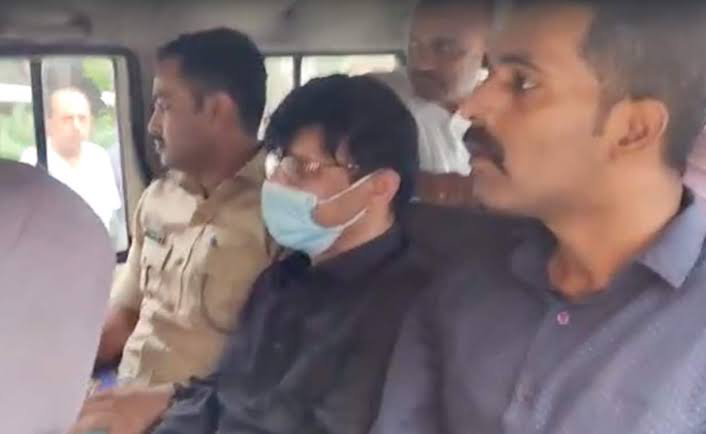
popularly known as KRK, is a figure who often finds himself at the center of controversy due to his outspoken social media presence. Recently, KRK was arrested by the Versova Police for allegedly demanding sexual favors from an actress, an incident dating back to January 2019. This arrest has sparked a significant reaction on social media, leading to the trending hashtag #arrestkrk.


Background of the Arrest


KRK’s arrest stems from a First Information Report (FIR) filed against him for controversial social media posts made back in 2020. The FIR was lodged based on a complaint that accused KRK’s tweets of spreading “hatred” and making derogatory comments against late actors Irrfan Khan and Rishi Kapoor. Following his arrest, KRK was taken to a hospital after complaining of chest pain and is currently in judicial custody.


Social Media’s Reaction


The arrest of KRK has led to a flood of memes and reactions on Twitter, with many users expressing their views through humor and satire. Some support the arrest, citing his history of controversial remarks against Bollywood celebrities, while others argue for his release, claiming his right to free speech.


The Impact of #arrestkrk


The hashtag #arrestkrk has become a focal point for discussions on freedom of expression, the role of social media in shaping public opinion, and the boundaries of criticism in the entertainment industry. It has also highlighted the legal implications of social media conduct and the potential consequences of online behavior.


Conclusion


The case of KRK and the #arrestkrk trend serve as a reminder of the power of social media and the importance of responsible communication. As the situation unfolds, it will be interesting to see how it influences public discourse and the legal landscape surrounding social media in India.


For real-time updates and a more detailed analysis of the ongoing situation, readers can follow the latest news articles and social media platforms.

Read More

Understanding NEET: The Gateway to Medical Education in India

June 05, 2024 0

Understanding NEET: The Gateway to Medical Education in India


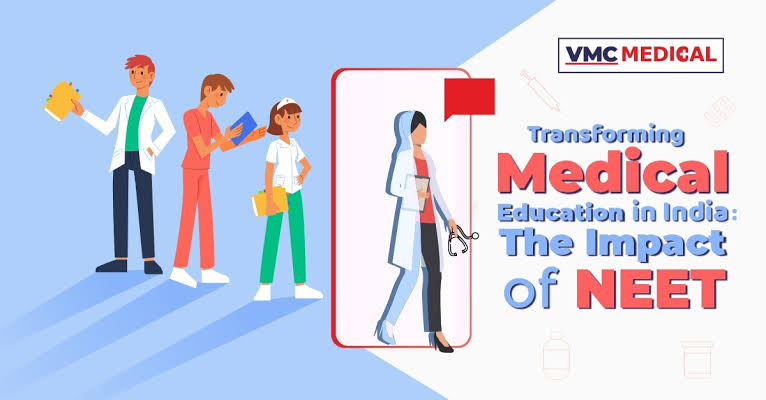
The National Eligibility-cum-Entrance Test (NEET) stands as the pivotal examination for students aspiring to carve a career in the medical field in India. Conducted by the National Testing Agency (NTA), NEET is the single entrance examination for admission to undergraduate medical courses across the country.


The Structure of NEET


NEET is structured to test the knowledge of students in Physics, Chemistry, and Biology. The examination comprises 180 multiple-choice questions, with a time limit of three hours. The questions are evenly distributed among the three subjects, and the paper is conducted in a pen-and-paper format.


Preparation Tips for NEET Aspirants


Understand the Syllabus: A thorough understanding of the NEET syllabus is crucial. It covers a wide range of topics from the NCERT textbooks for classes 11 and 12.

Regular Practice: Solving previous years’ question papers and taking mock tests can greatly enhance time management skills and understanding of the exam pattern.

Focus on Weak Areas: Identify and work on the subjects or topics that need improvement.

Revision: Regular revision is key to ensuring that all topics are at your fingertips before the exam.

Changes and Updates


The NTA introduces changes to the NEET exam periodically. Aspirants should stay updated with the latest notifications and changes announced by the NTA to avoid any surprises on the exam day1.


The Impact of NEET


NEET has standardized the admission process for medical education in India. It has eliminated multiple exams and has brought uniformity, making the selection process more transparent and merit-based.


Conclusion


NEET continues to be the most significant step for students aiming to enter the medical profession. With diligent preparation and a strategic approach, aspirants can navigate through the challenges of this exam and emerge successful.


For a detailed analysis of the NEET 2024 exam, including subject-wise reviews and difficulty levels, students can refer to the comprehensive articles provided by various educational platforms.

Read More

Popular Posts

Wikipedia

Search results

Search This Blog